
What are the benefits of physiotherapy?
Published on
What are the benefits of physiotherapy when pain, injury or difficulty moving affects everyday life? It may help you regain useful abilities, but its value depends on your situation and assessment. If you are considering physiotherapy in Rabat, this guide explains possible goals, what to discuss at a first appointment and how to prepare.
What is physiotherapy for?
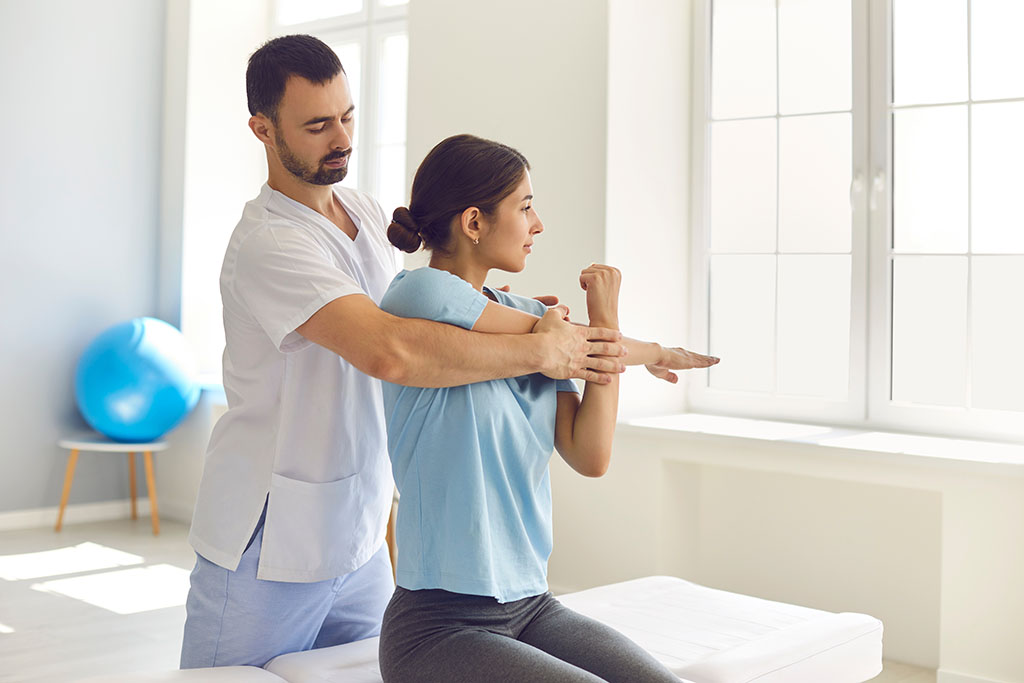
Physiotherapy may combine exercise, hands-on techniques and advice to address pain and movement. It is therefore more than massage. The approach depends on the problem assessed and the person’s abilities. The NHS introduction to physiotherapy.
It is part of rehabilitation, which also aims to support everyday activities and independence. A goal may be as practical as getting dressed or moving around more easily. WHO information about rehabilitation.
Which benefits might you work towards?
Managing some types of pain
Reducing pain may be a goal, but cannot be guaranteed. For chronic common low back pain, the French health authority HAS gives physical activity a central role, taking precautions and contraindications into account. HAS guidance on physical activity and low back pain.
Improving movement and strength
Appropriate activity may target mobility, strength and balance, supporting tasks such as standing up, climbing stairs or carrying an object. That does not make every exercise suitable for every painful condition. NHS information about strength and flexibility.
Working on balance where there is a risk of falling
For people concerned, NICE recommends progressive, individualised programmes delivered by trained professionals, addressing abilities such as balance, coordination and strength. Feeling unsteady first calls for assessment. NICE falls prevention recommendations.
Supporting recovery after surgery
Rehabilitation can support recovery after some operations. Following knee replacement, for example, exercises and practical advice form part of recovery. The programme must respect the treating team’s instructions. The NHS example of knee replacement recovery.
When might you ask for an assessment?
Injury, illness, surgery or an age-related change in abilities may lead to a discussion about rehabilitation. The right indication and professional depend on the problem. Situations described by WHO.
Describe a specific difficulty: “I cannot raise my arm to get dressed” or “this staircase has become difficult”. Explain when it began and what you hope to regain. These examples help prepare the conversation; they cannot establish a cause on their own.
What happens at the first assessment?
A first appointment generally includes discussion of symptoms, medical history and goals, followed by assessment of movement and abilities such as strength or balance. The proposed plan is then discussed. Healthdirect’s appointment guide.
Ask which goal will be reviewed, why an approach is suggested, which precautions matter and when the plan should change. You can explain a concern or ask for an explanation before a technique is used.
What role do exercises between appointments play?
You may receive exercises to practise between visits. They continue the work adapted to your situation, and regular practice matters. Follow the programme and instructions explained to you. The NHS explanation of exercises during follow-up.
Before leaving, check that you can repeat the movement, understand the instructions and know who to contact if something is difficult. A general social media video can provide information, but does not replace your own programme.
How can you review progress realistically?
Agree on everyday reference points: walking to a familiar place, using an arm for a particular task or returning to an activity you choose. Note what becomes easier, what remains difficult and any questions. This is more useful than simply saying that things are “better”.
Ask when to review progress. If expected changes are absent, discuss the next step rather than automatically repeating the same programme. An article cannot promise a recovery time or a session count suitable for everyone.
Preparing for physiotherapy in Rabat
Before visiting the Rajae BEN AMARA practice, you can prepare:
- your main concern and one or two examples of difficult activities;
- any prescriptions, reports and examination results you already have;
- a list of current medicines and information you want to mention;
- questions about follow-up, documents, fees and practical arrangements.
The address is 12, rue Tafraout, appt 1, Hassan, Rabat. Explore the services presented by the practice and Rajae’s profile. For practical information, use the Contact page or call 05 37 70 65 77. The appointment request page is separate from the message form; requests require confirmation by the practice.
When should medical care come first?
Back pain or sciatica with leg weakness, loss of sensation around the perineum, or new difficulty urinating or controlling stools requires urgent medical advice. Do not wait for physiotherapy. Warning signs described by the French health insurance service.
Frequently asked questions about physiotherapy
Is it only massage?
No. Assessment, exercise and advice also matter. A technique should serve an agreed goal rather than simply reflect a preference for one method.
How many sessions will I need?
Ask for an estimate after assessment and agree how it will be reviewed. A number found online is not a rule for your situation.
Do I need a prescription, and what does it cost?
Check the required documents and current fee with the practice. Ask your insurer about any cover; French or British arrangements should not be assumed to apply in Morocco.
General information updated on 20 November 2026. This article does not replace individual assessment or establish a treatment remotely.